
How to Prepare Your Charlotte Garden for Spring: Expert Tips
Understanding Charlotte's Climate
Spring in Charlotte, North Carolina, is a delightful time for gardeners. With its mild temperatures and occasional rainfall, the region provides an ideal environment for a variety of plants. However, preparing your garden for spring requires specific steps to ensure healthy growth.

Cleaning and Pruning
Start by cleaning up your garden. Remove any debris, fallen leaves, and dead plants from the previous season. This not only tidies up the space but also prevents pests and diseases from taking hold.
Pruning is another essential task. Trim back overgrown shrubs and trees to encourage healthy growth. Be sure to use clean, sharp tools to make precise cuts, which help the plant heal faster.
Soil Preparation
Healthy soil is the foundation of a thriving garden. Begin by testing your soil's pH and nutrient levels. This information will guide you in selecting the right amendments, such as compost or fertilizers, to enhance soil quality.

Loosen the soil with a tiller or garden fork to improve aeration and drainage. This step is crucial in Charlotte's sometimes compacted clay soils. Adding organic matter like compost will also boost the soil's fertility and structure.
Choosing the Right Plants
Select plants that are well-suited to Charlotte's climate. Native species are often the best choice as they require less maintenance and are more resistant to local pests and diseases. Consider planting perennials, annuals, and vegetables that thrive in the region.

Some excellent choices for spring include azaleas, dogwoods, and various herbs like basil and thyme. When planting, ensure adequate spacing to allow for growth and air circulation.
Watering and Mulching
Spring showers can be beneficial, but it's important to establish a consistent watering routine. Aim for deep, infrequent watering to encourage strong root development. Consider installing a drip irrigation system for efficiency.
Mulching helps retain soil moisture and suppresses weed growth. Apply a layer of organic mulch, such as pine straw or shredded bark, around your plants, keeping it a few inches away from stems to prevent rot.
Pest and Disease Management
As your garden comes to life, keep an eye out for pests and diseases. Regularly inspect your plants for signs of trouble, such as discolored leaves or unusual spots. Early detection is key to managing issues before they escalate.
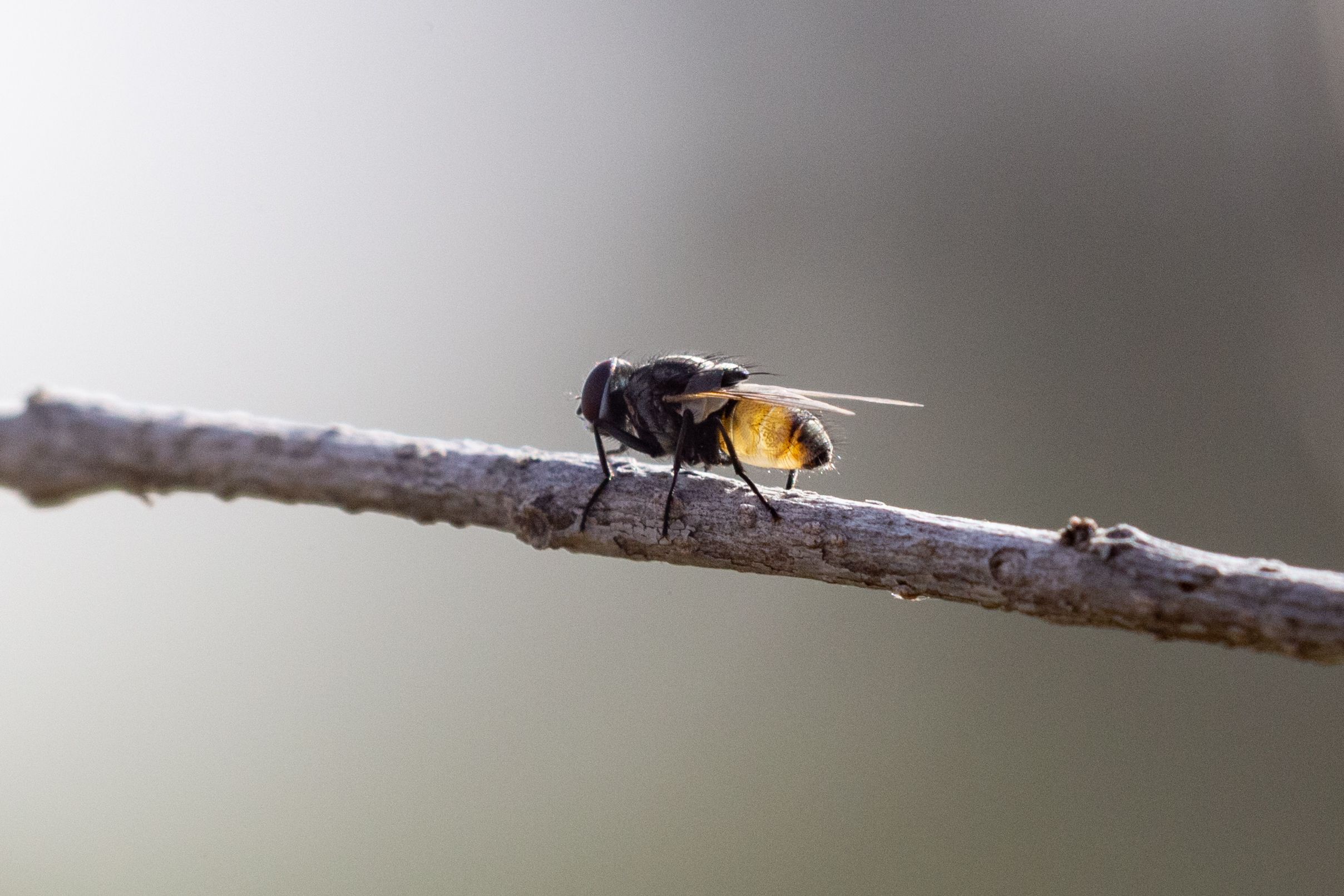
Utilize natural pest control methods whenever possible, such as introducing beneficial insects like ladybugs or using neem oil. Maintaining a healthy garden environment reduces the likelihood of infestations.
Final Touches
Finish your spring garden preparation by adding decorative elements that enhance the beauty of your outdoor space. Consider installing garden art, bird feeders, or a small water feature to create a peaceful retreat.
By following these expert tips, you'll set the stage for a vibrant and flourishing Charlotte garden. Embrace the process, and enjoy watching your efforts blossom throughout the spring season.